 Retyla
RETYLA PRODUCT GUIDE
Clarity, colour or pose: which photo improvement should you choose?
Choose clarity for blur, colourisation for a monochrome image, or pose correction for an expression or stance you want to adjust. Our algorithm follows the selected goal, rather than treating every photo the same way.
Colourisation proposes colours from visible context. Pose correction can combine clearer detail with deliberate changes to eyes, expression or posture. For closed eyes or an awkward stance, review the edited eye shape, mouth, hands and body alignment. If your priority is preserving the captured moment, start with clarity rather than a pose change.
How to start
- Choose clarity, colour or pose
Use clarity for softness, colour for a monochrome image and pose correction for an expression or posture you intend to change. Select the goal before generating.
- Keep intentional changes visible
Opening closed eyes or adjusting a stance creates a different version of the scene. If preserving the captured moment matters most, begin with clarity.
- Review the relevant anatomy
For pose changes, compare the eye shape, mouth, hands, joints and body alignment. For colour, examine skin and clothing under the photograph's lighting.
Compare and save
- Confirm that the chosen workflow matches your purpose.
- Check eyes, hands and limb connections after a pose change.
- Compare the whole scene, including shadows and perspective.
What to keep in mind
Opening eyes or changing a stance creates a new version of the scene. It does not establish how the person actually looked, moved or stood in the original moment.
Based on the controls and processing flows in the app. Illustrative previews are labelled; no independent benchmark or guaranteed result is implied. How we describe our features
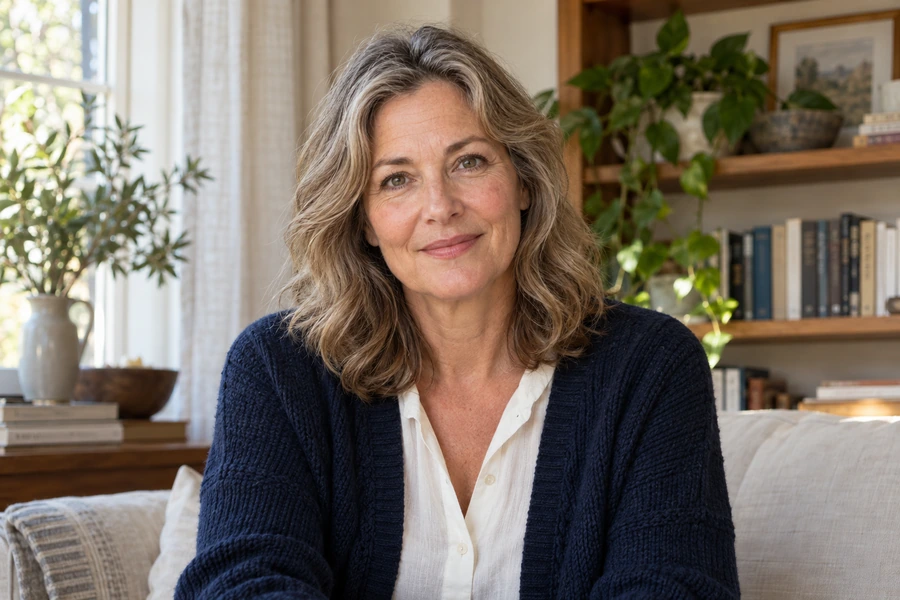
These illustrative examples show a feature. Results depend on the source photo and your settings.
A few things worth knowing.
Does pose correction recover the original pose?
No. It creates a proposed expression or stance; it cannot establish how a person actually looked or moved when the photograph was taken.
Do I need colourisation for a faded colour photo?
Colourisation is intended as a deliberate colour interpretation. First decide whether you want to preserve existing colours or create a new colour version.